

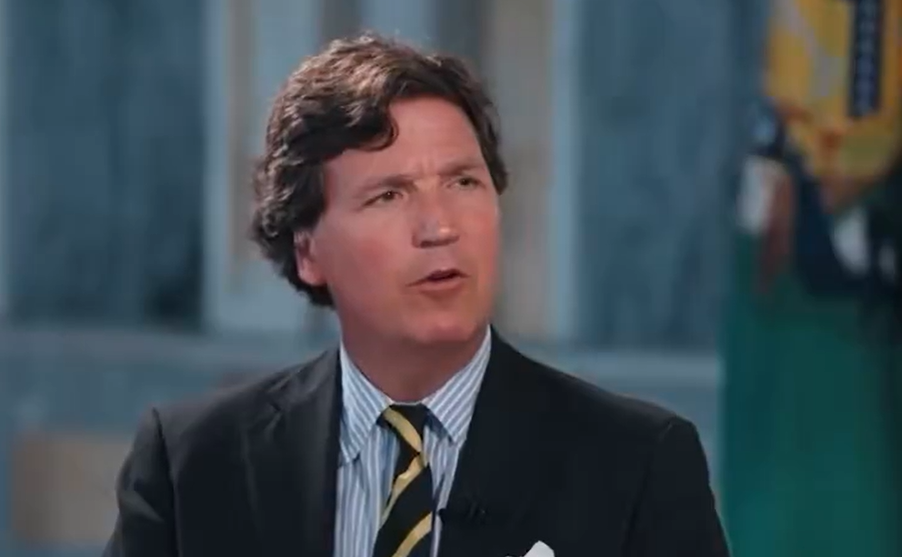
El comentarista estadounidense Tucker Carlson ha publicado este 2 de noviembre un mensaje en X en el que afirma que la administración Trump podría estar a días de autorizar un ataque nuclear contra Irán. Según Carlson, la presión proviene del primer ministro israelí Benjamin Netanyahu y el blanco sería la montaña Pickaxe, en el centro de Irán, donde la inteligencia israelí sostiene que Teherán habría reactivado su programa de enriquecimiento nuclear.
Carlson señala que ninguna arma convencional del arsenal estadounidense puede penetrar los aproximadamente 90 metros de granito sólido que protegen los túneles donde, según se afirma, se estaría realizando el enriquecimiento. En ese contexto, asegura que “la única opción militar es un ataque nuclear” y que Netanyahu ha insistido intensamente en esa vía. Un observador informado citado por Carlson afirma que “Bibi llama a Trump todos los días” sobre el tema.
Under pressure from Israeli prime minister Benjamin Netanyahu, the Trump administration may be within days of launching a nuclear strike on Iran. The target would be Pickax Mountain in central Iran, where Israeli intelligence claims the Iranian government has restarted its nuclear enrichment program. No conventional weapon in the American arsenal can penetrate 300 feet of solid granite to destroy the tunnels where enrichment is supposedly taking place. The only military option is a nuclear strike. Netanyahu has been pushing hard for one. “Bibi calls Trump about it every day,” says an informed observer.
Netanyahu is cornered and desperate. After last week’s election results, he can’t form a government unless Trump intervenes directly in Israeli politics and brokers a deal with other parties that gives Netanyahu 61 seats in the Knesset. Otherwise, he is out as prime minister and on his way to ignominy, investigations and possibly jail. Netanyahu must stay close to Trump. He needs this war.
To that end, he’s applied maximum pressure to his closest allies in the administration, including Secretary of Defense Pete Hegseth and CENTCOM commander Brad Cooper. Both oppose a negotiated settlement to the war they’ve so grievously mismanaged; both are pushing to restart major combat operations. Secretary of State Marco Rubio and CIA director John Ratcliffe are also following Netanyahu’s lead, as are leaders of the Democratic Party. In a recent meeting on the subject, former president Barack Obama said he opposes the current Iran peace deal being drafted in Doha.
The rest of America’s longtime allies in the Middle East are terrified by the prospect of more war. On September 27th, Netanyahu flew secretly to Abu Dhabi to enlist the UAE in his lobbying effort for a final attack on Iran. The Emiratis refused. After eight months of conflict, Gulf economies are teetering. So are global energy and fertilizer markets. They won’t recover soon. Globally, there are a total of about 850 supertankers used to transport oil from producers to the rest of the world. In October alone, 11 of them were badly damaged in Hormuz. At this pace, a global depression is imminent. A nuclear strike would radically accelerate the destruction. Fallout from a ground explosion at Pickax Mountain would contaminate the Persian Gulf, poisoning the water supply for 100 million people.
And those are just some of the immediate consequences for the region. The rest of the world is every bit as exposed. No country other than the United States has ever used a nuclear weapon in war. Some would like to. An American nuclear attack on Iran would set a new precedent. The Russians have already told at least two other governments that an American nuclear strike on Iran would free them to use nuclear weapons against Ukraine. Pakistan and India would be tempted to do the same against each other, as would North Korea against Seoul. After the first nuclear strike, World War Three is inevitable. That war would be short and final.
We’ve been sleepwalking toward this moment for months. Since February, the administration has quietly rewritten America’s nuclear doctrine to make first use of so-called “battlefield nukes” easier and therefore more likely. No one in Washington in either party seems bothered by this. Now we’re on the brink of it.
Close observers say Trump is likely to decide by next weekend whether or not to use nuclear weapons. That would be November 7, six days from now. To his credit, he’s hesitating. At the moment, Trump is listening to his vice president, JD Vance, and to his envoy and friend Steve Witkoff, both of whom argue a deal with Iran can be made.
They’re right, though it won’t be simple. The Iranians are famously frustrating to negotiate with under any circumstances, and elements of that government have become more radical since Ayatollah Ali Khamenei and his family were killed in February. After decades of isolation, even relatively moderate Iranian leaders seem confused by how decisions are made in the West. (There is a widespread belief in Tehran, for example, that the United States government controls Israel.) But overall, people who have spoken to decision-makers in Iran say there is consensus there that more war is bad for everyone and a deal is worth making.
One group that hasn’t been consulted so far is the global population — the hundreds of millions of people who will be killed along with their children if Trump is pushed by Netanyahu into launching a nuclear strike next week. Now would be the time for them to speak up.
— Tucker Carlson (@TuckerCarlson) November 2, 2026
Motivos políticos de Netanyahu
El comentarista describe a Netanyahu como “acorralado y desesperado”. Tras los resultados electorales de la semana anterior, el primer ministro no podría formar gobierno sin una intervención directa de Trump que le garantice 61 escaños en la Knesset. De lo contrario, perdería el cargo y se enfrentaría a investigaciones y posibles consecuencias penales. Carlson argumenta que Netanyahu necesita mantenerse cerca de Trump y que “necesita esta guerra”.
Según el post, Netanyahu habría ejercido máxima presión sobre aliados en la administración, incluidos el secretario de Defensa Pete Hegseth y el comandante del CENTCOM Brad Cooper, ambos opuestos a un acuerdo negociado y favorables a reiniciar operaciones de combate a gran escala. También menciona a Marco Rubio (secretario de Estado) y John Ratcliffe (director de la CIA) como alineados con esa línea, además de líderes del Partido Demócrata. En una reunión reciente, el expresidente Barack Obama habría expresado su oposición al acuerdo de paz con Irán que se estaría redactando en Doha.
Consecuencias regionales y globales
Carlson advierte que el resto de los aliados tradicionales de Estados Unidos en Oriente Medio están alarmados. El 27 de septiembre, Netanyahu viajó en secreto a Abu Dhabi para intentar sumar a Emiratos Árabes Unidos a su esfuerzo, pero los emiratíes se negaron. Tras ocho meses de conflicto, las economías del Golfo están en dificultades, al igual que los mercados globales de energía y fertilizantes. De los aproximadamente 850 superpetroleros que transportan petróleo a nivel mundial, 11 resultaron gravemente dañados en el estrecho de Ormuz solo en octubre. A ese ritmo, sostiene Carlson, una depresión global es inminente.
Un ataque nuclear, añade, aceleraría radicalmente la destrucción. La lluvia radiactiva de una explosión en superficie en Pickax Mountain contaminaría el Golfo Pérsico y envenenaría el suministro de agua de unos 100 millones de personas.
Más allá de la región, Carlson subraya que ningún país aparte de Estados Unidos ha usado armas nucleares en guerra. Un ataque estadounidense sentaría un precedente: según él, los rusos ya habrían comunicado a al menos otros dos gobiernos que un golpe nuclear contra Irán les liberaría para emplear armas nucleares contra Ucrania. Paquistán e India podrían verse tentados a hacer lo mismo entre sí, y Corea del Norte contra Seúl. “Después del primer ataque nuclear, la Tercera Guerra Mundial es inevitable. Esa guerra sería corta y final”.
La posición de Trump y la doctrina nuclear
Observadores cercanos, según Carlson, indican que Trump probablemente decidirá antes del próximo fin de semana (alrededor del 7 de noviembre) si autoriza o no el uso de armas nucleares. “Para su crédito, está dudando”. En este momento escucha a su vicepresidente JD Vance y a su enviado y amigo Steve Witkoff, ambos partidarios de que es posible alcanzar un acuerdo con Irán.
Carlson reconoce que negociar con los iraníes es difícil y que, tras la muerte de Ali Jamenei y su familia en febrero, elementos del gobierno se han radicalizado. Sin embargo, sostiene que quienes han hablado con responsables en Teherán perciben un consenso de que más guerra es perjudicial para todos y que un acuerdo merece la pena.
El post también menciona que, desde febrero, la administración ha reescrito discretamente la doctrina nuclear estadounidense para facilitar el primer uso de las llamadas “nukes de campo de batalla”. “Nadie en Washington, en ninguno de los dos partidos, parece molesto por esto. Ahora estamos al borde”.
Carlson concluye que “un grupo que no ha sido consultado hasta ahora es la población global: los cientos de millones de personas que serían asesinadas junto a sus hijos si Trump es empujado por Netanyahu a lanzar un ataque nuclear la próxima semana. Ahora sería el momento de que se pronuncien”.

